Apptronik ApollovsTesla Optimus Gen 2
Side-by-side comparison of Apptronik Apollo and Tesla Optimus Gen 2: specs, price, use cases and SDKs.
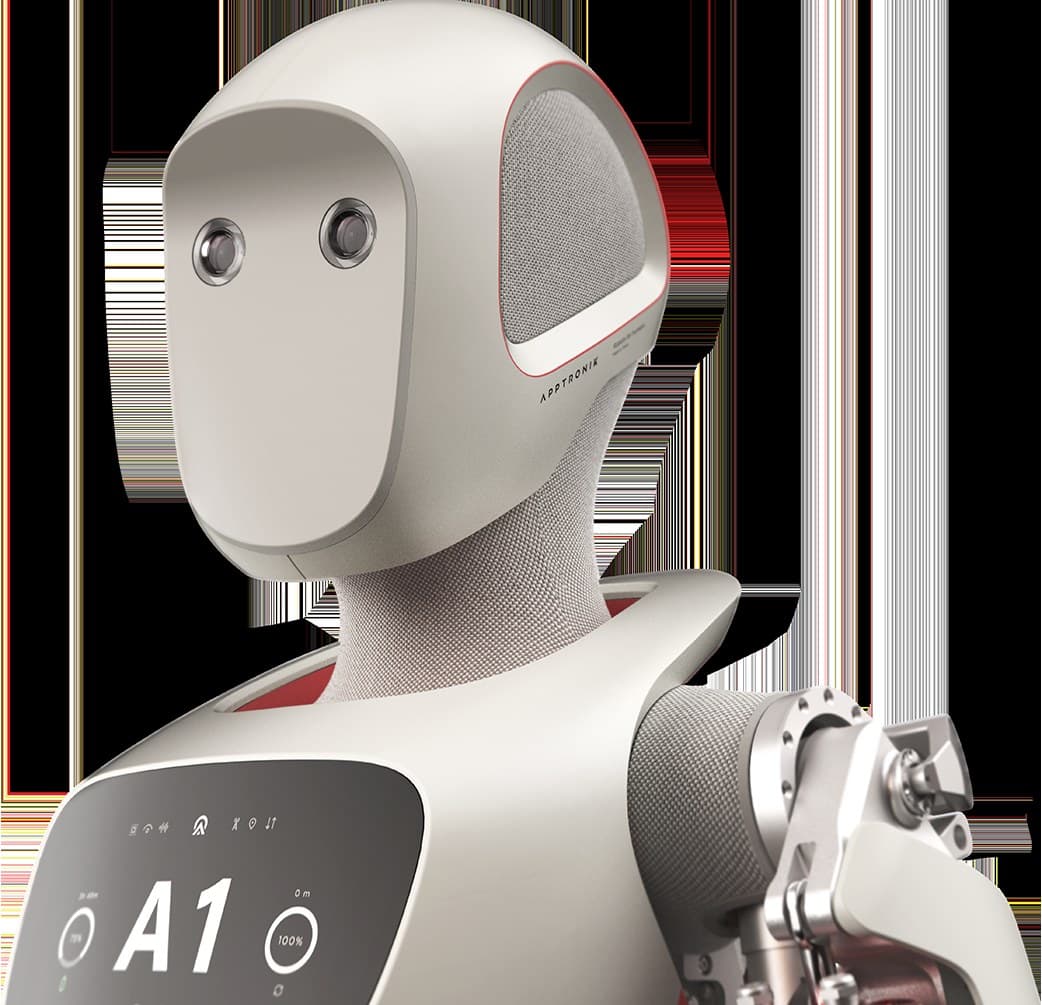
Apollo
General-purpose humanoid for logistics
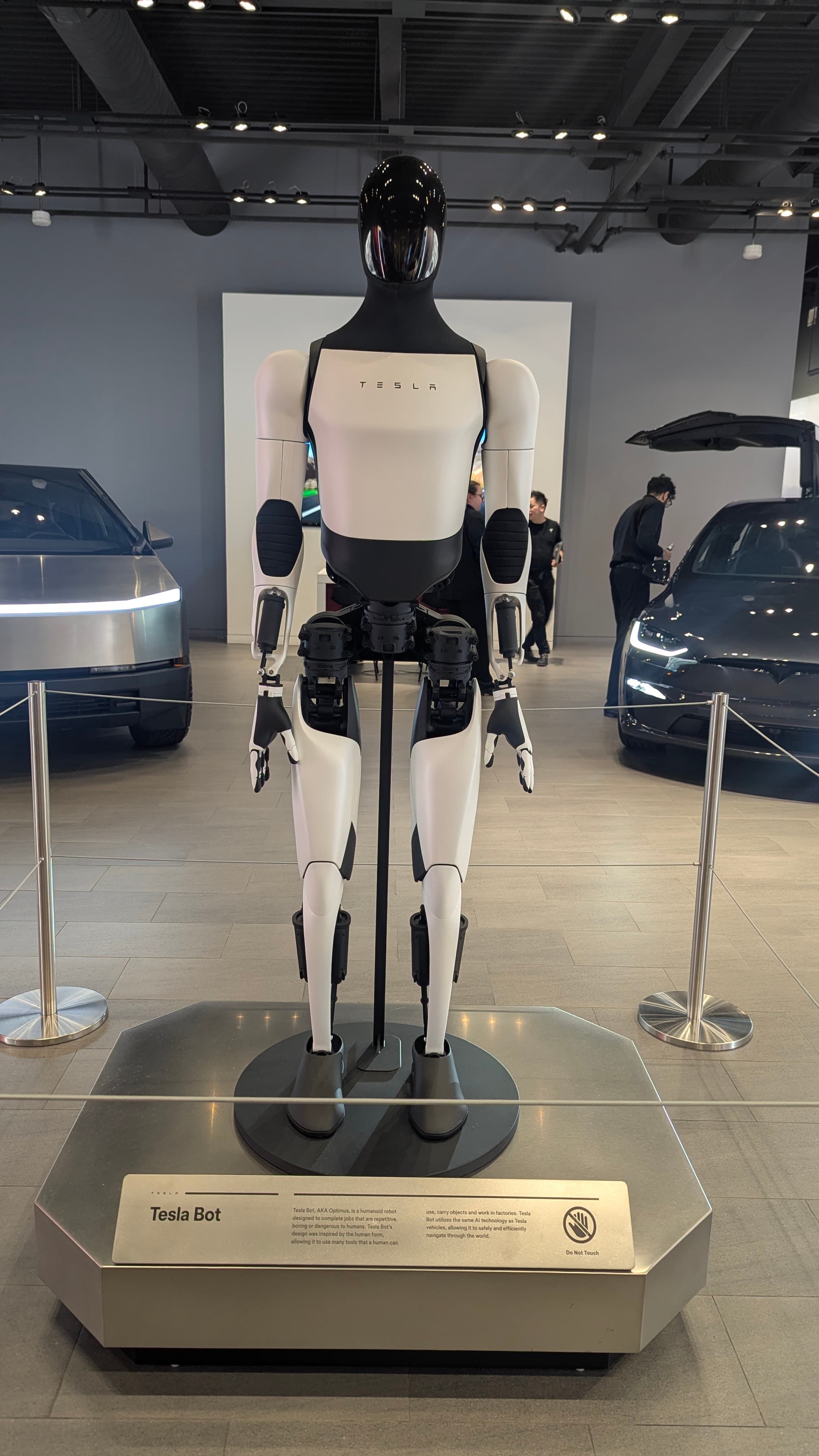
Optimus Gen 2
General-purpose humanoid from Tesla
Specifications
| Spec | Apollo | Optimus Gen 2 |
|---|---|---|
| Price (USD) | $120,000 | $30,000 |
| Category | humanoid | humanoid |
| Payload | 25 kg | — |
| Runtime | 4 h | 8 h |
| Speed | — | 2.5 m/s |
| Weight | 73 kg | 57 kg |
| Degrees of Freedom | — | 28 |
- Logistics
- Manufacturing
- Warehousing
- Factory automation
- Home assistance
When to pick which
Choose the Apptronik Apollo for heavy-duty logistics and brownfield manufacturing environments where high-capacity material handling is the primary requirement. With a 25kg payload capacity, Apollo is better suited for moving standard industrial totes and heavy packages that exceed the lighter lifting capabilities of the Optimus. Industrial integrators should favor Apollo for large-scale warehouse deployments requiring seamless integration with existing software ecosystems via ROS2. While the price point is higher, the robust hardware and open SDK support make it the preferred choice for enterprise-grade supply chain automation where reliability in heavy lifting outweighs the need for high-speed mobility.
Opt for the Tesla Optimus Gen 2 when scaling a large fleet for light-duty factory automation or exploring home assistance applications. The significantly lower $30,000 price point and 8-hour runtime allow for high-volume deployments with minimal downtime compared to the Apollo. Its 57kg lightweight frame and 2.5m/s speed make it ideal for agile tasks such as precision sorting or mobile monitoring across large floor plans. Buyers prioritizing cost-efficiency and extended operational cycles over raw payload capacity will find the Optimus more effective for long-shift operations where mobility and battery endurance are the critical constraints.
Ready to evaluate?
Request a vendor quote or compare more options.