Apptronik ApollovsUBTECH Walker S2
Side-by-side comparison of Apptronik Apollo and UBTECH Walker S2: specs, price, use cases and SDKs.
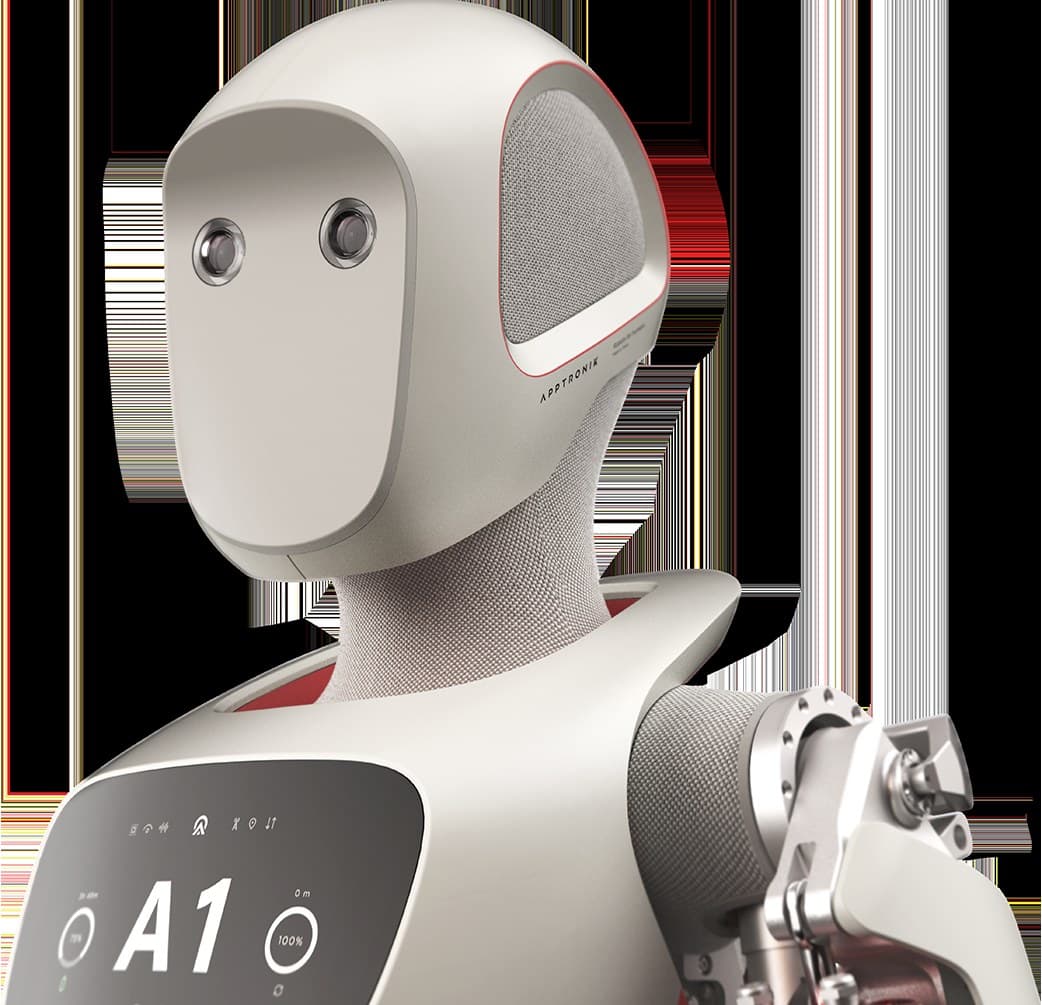
Apollo
General-purpose humanoid for logistics
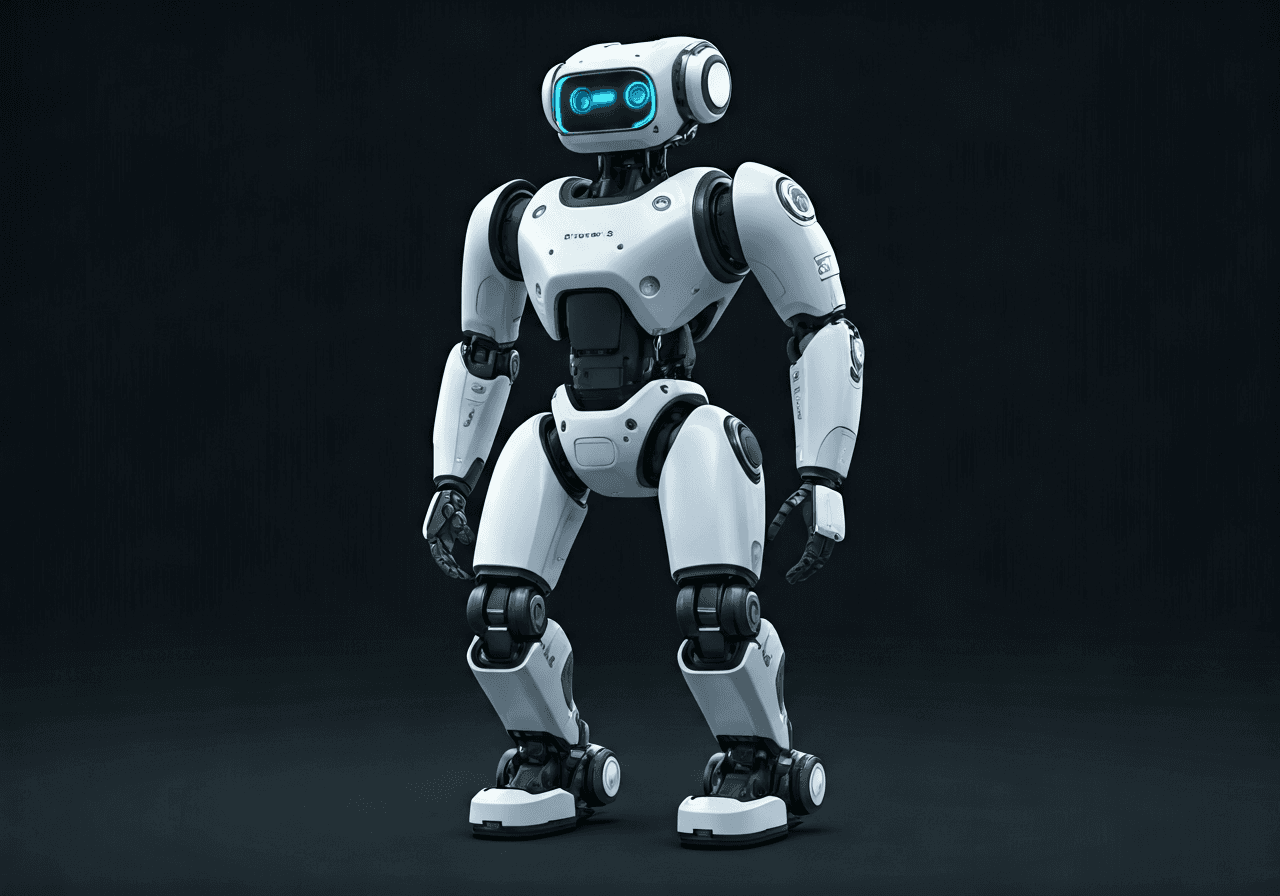
Walker S2
Swappable-battery industrial humanoid
Specifications
| Spec | Apollo | Walker S2 |
|---|---|---|
| Price (USD) | $120,000 | $40,000 |
| Category | humanoid | humanoid |
| Payload | 25 kg | 15 kg |
| Runtime | 4 h | 4 h |
| Weight | 73 kg | 95 kg |
- Logistics
- Manufacturing
- Warehousing
- Factory automation
- Industrial pilots
When to pick which
Choose the Apptronik Apollo for high-throughput logistics centers requiring heavy lifting. With a 25kg payload capacity—significantly higher than the Walker S2—Apollo is better suited for moving standard shipping crates or heavier automotive components in manufacturing plants. Its ROS2 compatibility makes it the preferred choice for R&D teams or integrators who need a flexible, open-source software ecosystem to customize complex navigation or manipulation tasks. While more expensive, the lower 73kg curb weight improves safety and maneuverability in shared human-robot workspaces where high-payload manipulation is the primary operational constraint.
Select the UBTECH Walker S2 for large-scale industrial pilots or factory automation projects where cost-per-unit is a critical factor for ROI. At $40,000, it allows for a three-robot fleet for the price of a single Apollo, making it ideal for testing multi-agent coordination in logistics. The swappable battery system is a decisive feature for 24/7 operations, enabling continuous uptime by bypassing the four-hour runtime limit through quick swaps. Choose this model for lighter inspection or transport tasks where the 15kg payload is sufficient and the priority is maximizing operational hours across a broad deployment.
Ready to evaluate?
Request a vendor quote or compare more options.