Apptronik ApollovsUnitree Robotics H1
Side-by-side comparison of Apptronik Apollo and Unitree Robotics H1: specs, price, use cases and SDKs.
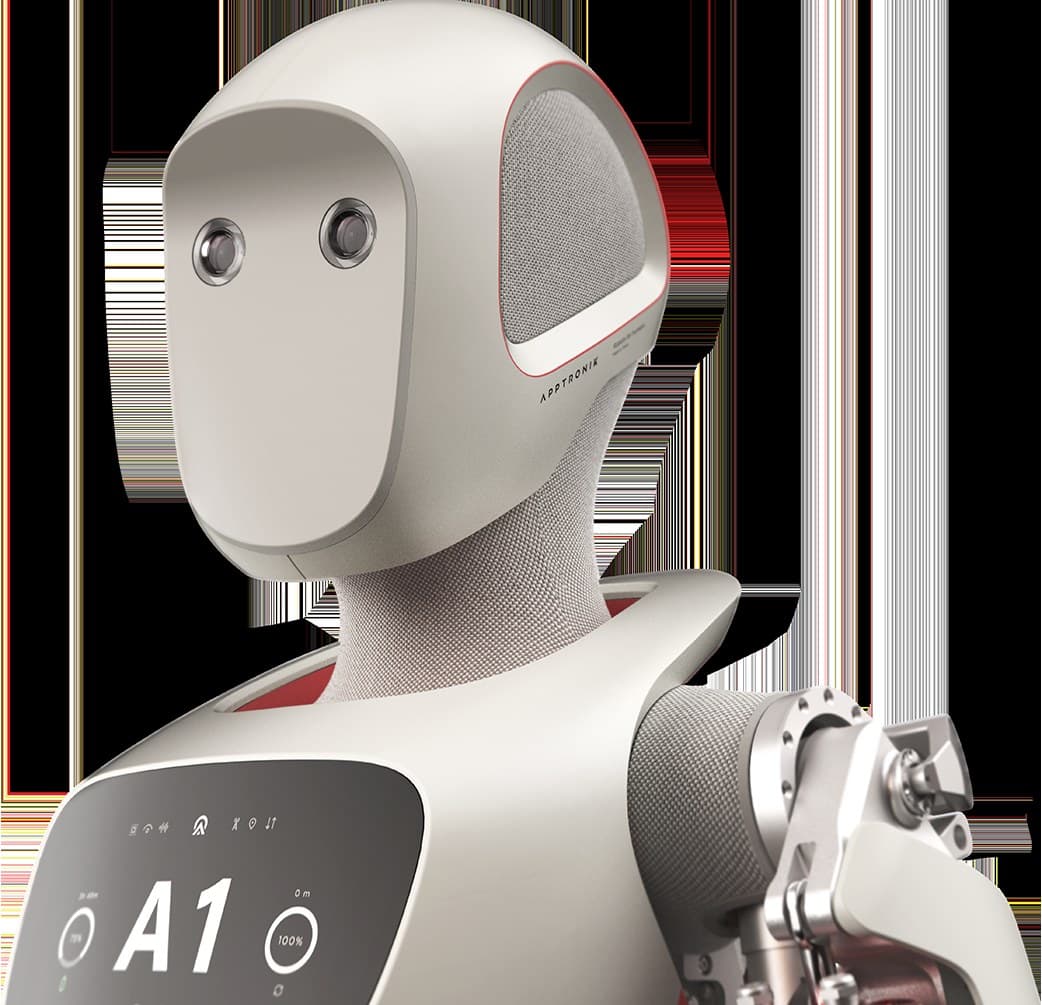
Apollo
General-purpose humanoid for logistics

H1
Sub-$100K Chinese humanoid — fastest walker in class
Specifications
| Spec | Apollo | H1 |
|---|---|---|
| Price (USD) | $120,000 | $90,000 |
| Category | humanoid | humanoid |
| Payload | 25 kg | 30 kg |
| Runtime | 4 h | 2 h |
| Speed | — | 3.3 m/s |
| Weight | 73 kg | 47 kg |
| Degrees of Freedom | — | 19 |
- Logistics
- Manufacturing
- Warehousing
- Humanoid robotics research
- Industrial R&D
- Content creation / film
- Robotics competitions
When to pick which
Choose the Apptronik Apollo for industrial-scale logistics and manufacturing deployments where operational uptime is the primary constraint. In a high-volume warehouse environment requiring case picking or palletizing, Apollo’s four-hour runtime provides a significant advantage over the H1, reducing the frequency of battery swaps during a standard shift. Its 73kg frame offers the stability needed for consistent material handling in busy facilities. If your objective is deploying a fleet of humanoids for repetitive labor in a structured commercial setting, Apollo’s specialized logistics focus and longer endurance justify the $30,000 price premium over research-centric alternatives.
Opt for the Unitree Robotics H1 for academic research, corporate R&D, or media production where agility and budget efficiency are paramount. At a $90,000 price point, it is the more accessible entry for labs testing bipedal locomotion or AI-driven navigation. The H1’s 3.3m/s walking speed and 19 degrees of freedom make it superior for high-speed movement testing or dynamic content creation. Because it weighs only 47kg, it is easier for small teams to transport and reset during experimental trials. Choose the H1 if your goal is rapid prototyping or robotics competitions rather than sustained industrial output.
Ready to evaluate?
Request a vendor quote or compare more options.