Tesla Optimus Gen 2vsUBTECH Walker S2
Side-by-side comparison of Tesla Optimus Gen 2 and UBTECH Walker S2: specs, price, use cases and SDKs.
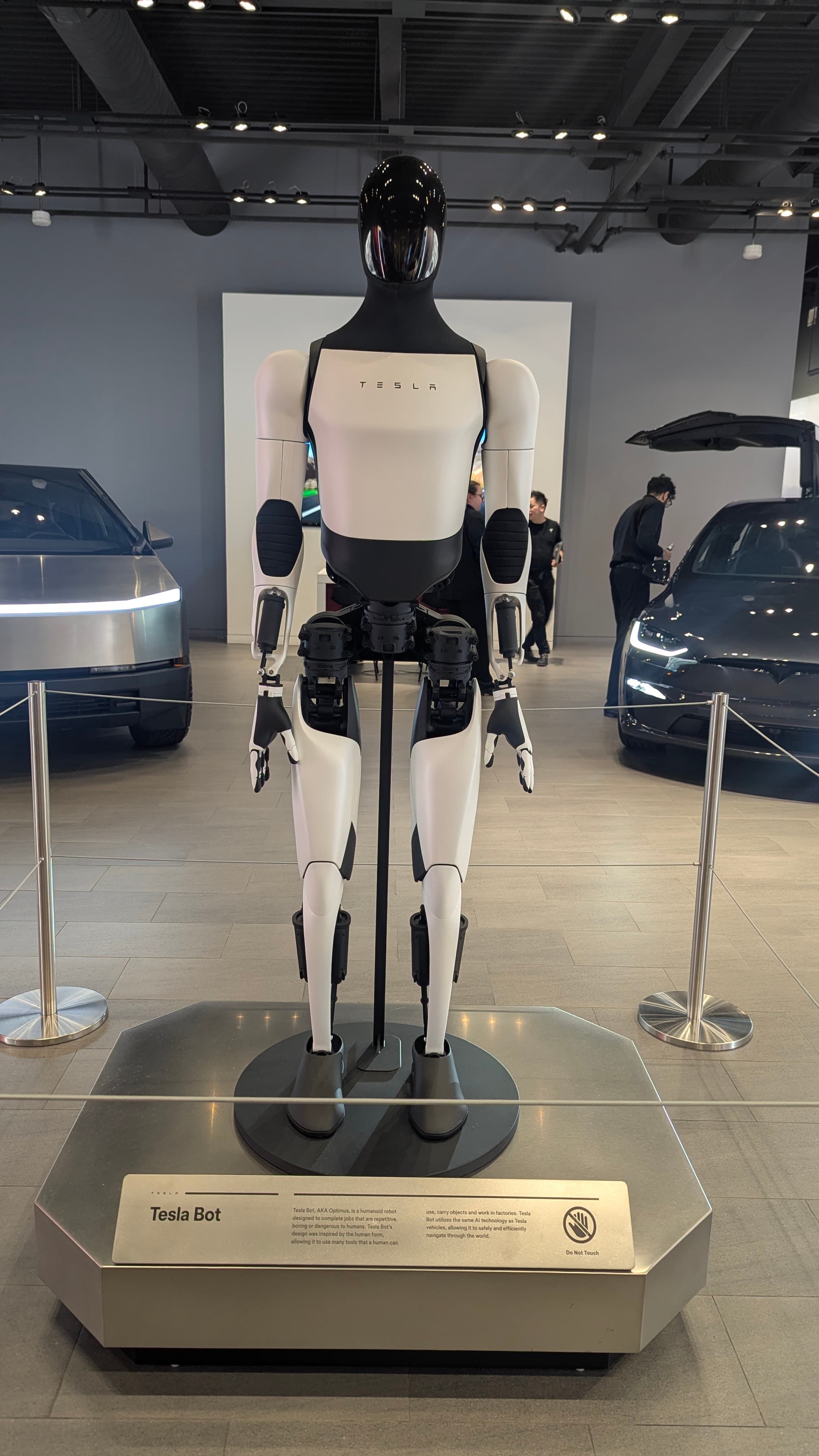
Optimus Gen 2
General-purpose humanoid from Tesla
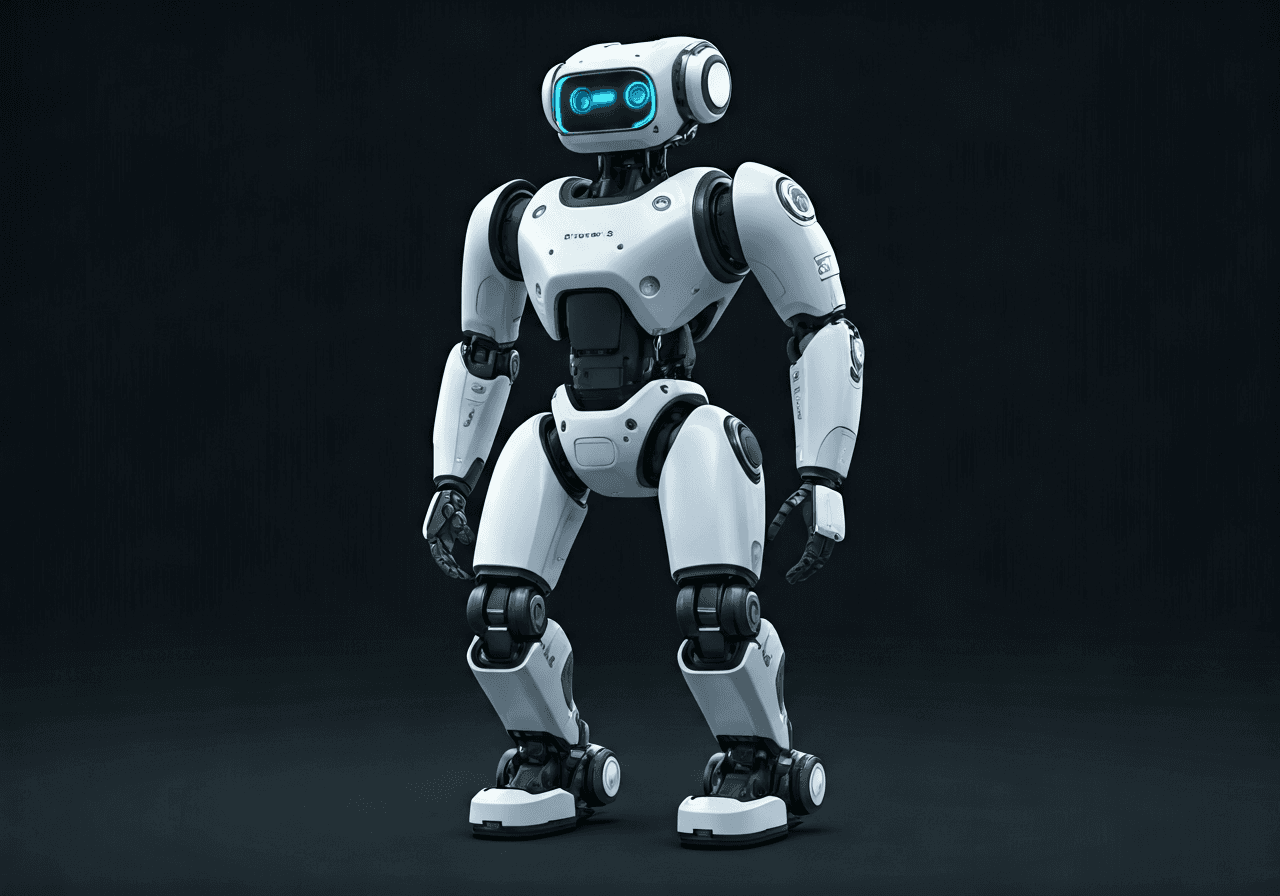
Walker S2
Swappable-battery industrial humanoid
Specifications
| Spec | Optimus Gen 2 | Walker S2 |
|---|---|---|
| Price (USD) | $30,000 | $40,000 |
| Category | humanoid | humanoid |
| Payload | — | 15 kg |
| Runtime | 8 h | 4 h |
| Speed | 2.5 m/s | — |
| Weight | 57 kg | 95 kg |
| Degrees of Freedom | 28 | — |
- Factory automation
- Logistics
- Home assistance
- Industrial pilots
When to pick which
Opt for the Tesla Optimus Gen 2 if your priority is high-uptime fleet deployment in light logistics or residential assistance. With an 8-hour runtime—double that of the Walker S2—and a significantly lower price point of $30,000, it is the superior choice for budget-conscious scaling. Its lighter 57kg frame and 2.5 m/s speed suit dynamic environments requiring agility over raw strength. Developers focused on custom software integration should leverage the Python SDK for rapid prototyping. Choose this model for large-scale pilots where maximizing operational hours per charge is the primary constraint.
Select the UBTECH Walker S2 for heavy-duty industrial manufacturing or assembly line tasks requiring significant lifting capacity. While more expensive at $40,000, its 15kg payload capacity allows for handling heavier components that the lighter Optimus may struggle with. The swappable-battery design is critical for 24/7 factory environments where a four-hour runtime would otherwise cause bottlenecks; users can swap power cells to maintain continuous operation. Choose the Walker S2 for established industrial pilots where structural robustness and the ability to manipulate heavy tools or parts are more vital than total unit weight or initial purchase price.
Ready to evaluate?
Request a vendor quote or compare more options.