Apptronik ApollovsSanctuary AI Phoenix Gen 7
Side-by-side comparison of Apptronik Apollo and Sanctuary AI Phoenix Gen 7: specs, price, use cases and SDKs.
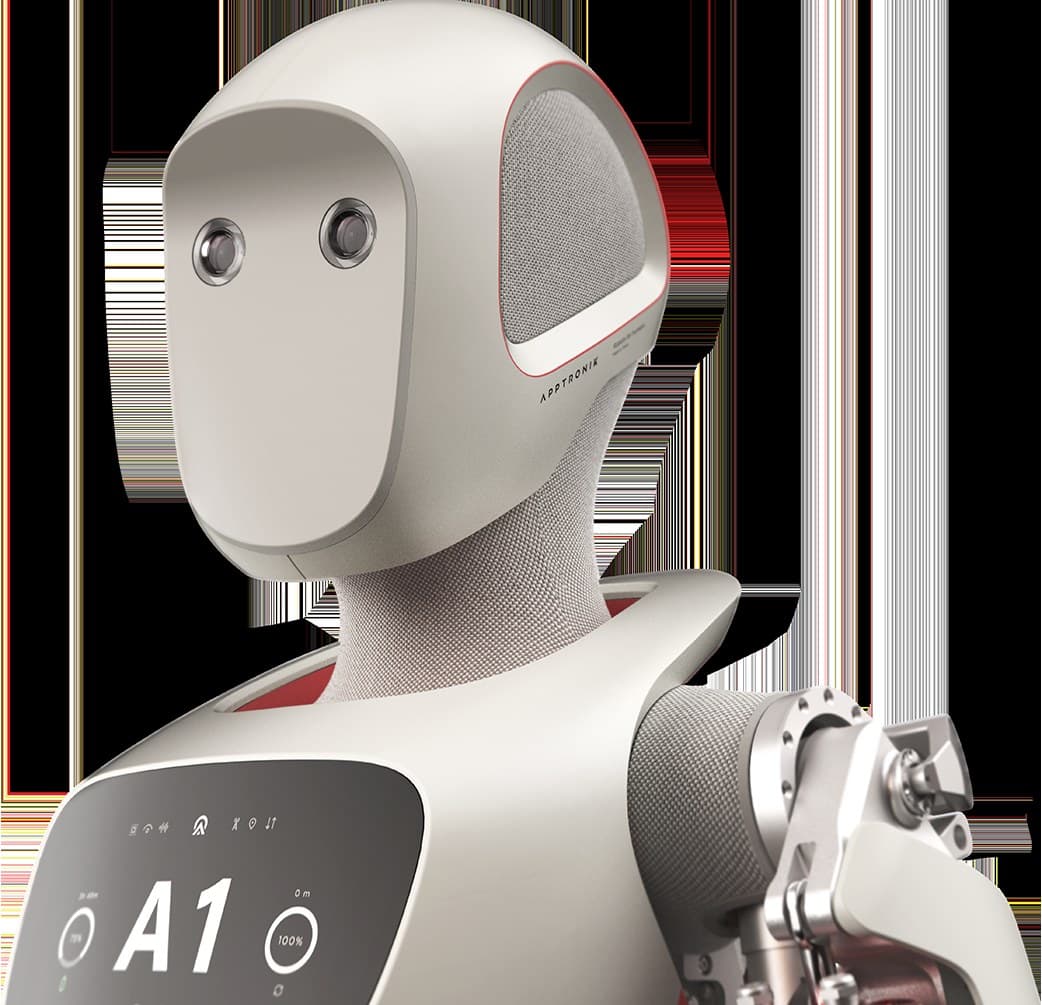
Apollo
General-purpose humanoid for logistics
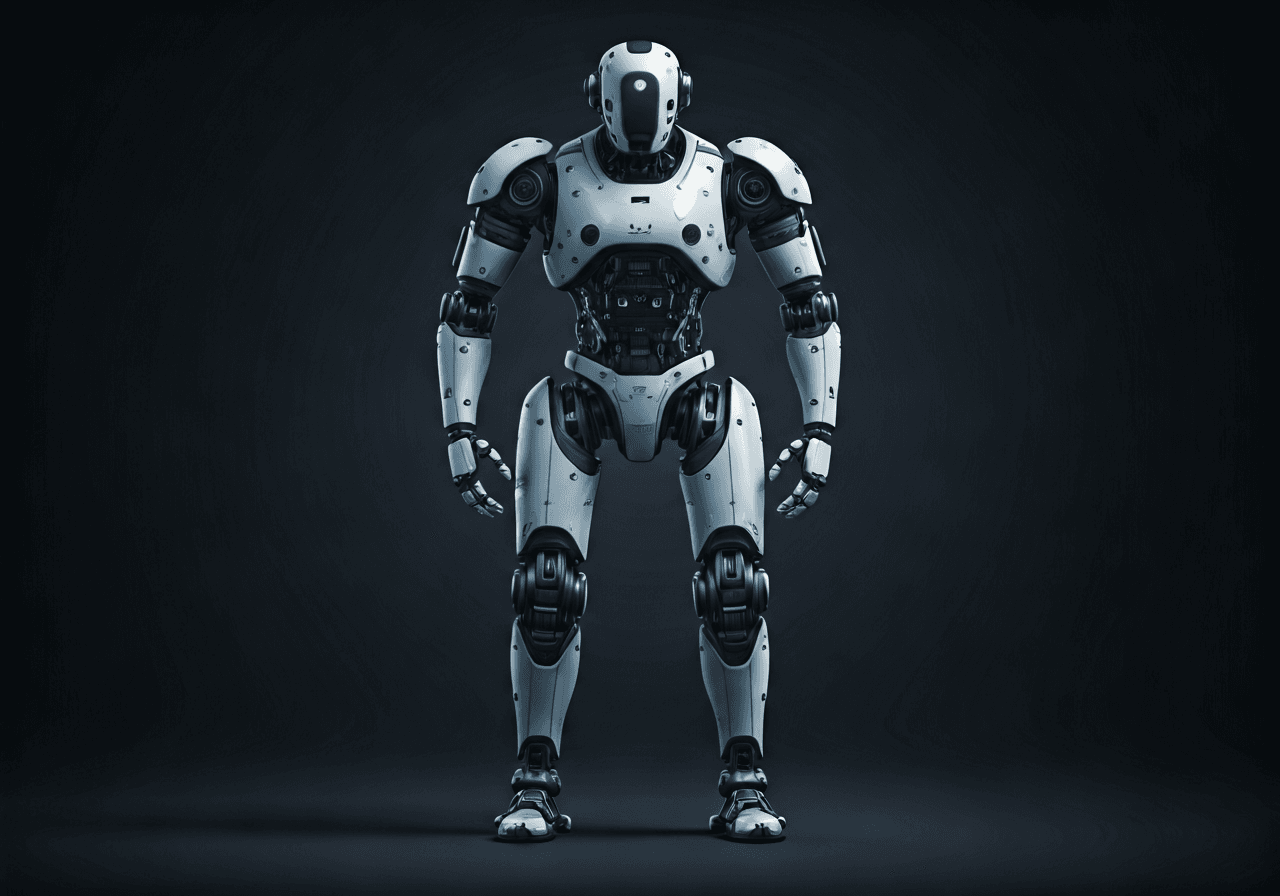
Phoenix Gen 7
Cognitive humanoid with Carbon AI
Specifications
| Spec | Apollo | Phoenix Gen 7 |
|---|---|---|
| Price (USD) | $120,000 | $250,000 |
| Category | humanoid | humanoid |
| Payload | 25 kg | 25 kg |
| Runtime | 4 h | 6 h |
| Weight | 73 kg | 70 kg |
| Degrees of Freedom | — | 40 |
- Manufacturing
- Logistics
- Warehousing
- Retail stocking
- Labor automation
When to pick which
At $120,000, the Apptronik Apollo is the clear choice for logistics managers planning large-scale fleet deployments where capital expenditure per unit is a primary constraint. Its ROS2 compatibility makes it ideal for established warehousing operations that already utilize standard robotics middleware for fleet management. Choose Apollo for high-volume, repetitive tasks like case picking or palletizing in manufacturing environments where the 25kg payload is essential, but the extreme dexterity of a cognitive humanoid is not required. The lower price point allows for a faster path to ROI when deploying dozens of units across a regional distribution network.
Select the Sanctuary AI Phoenix Gen 7 for complex retail stocking or precision manufacturing tasks that demand high-fidelity manipulation and cognitive reasoning. With 40 degrees of freedom and the integrated Carbon AI platform, the Phoenix excels in unstructured environments where tasks change frequently and require human-like dexterity. The $250,000 price tag is justified for buyers who prioritize operational uptime, as its 6-hour runtime significantly outlasts the Apollo, reducing the frequency of battery swaps during long shifts. It is the superior option for pilot programs focused on full labor automation in intricate assembly lines.
Ready to evaluate?
Request a vendor quote or compare more options.