Apptronik ApollovsUnitree Robotics H1
Side-by-side comparison of Apptronik Apollo and Unitree Robotics H1: specs, price, use cases and SDKs.
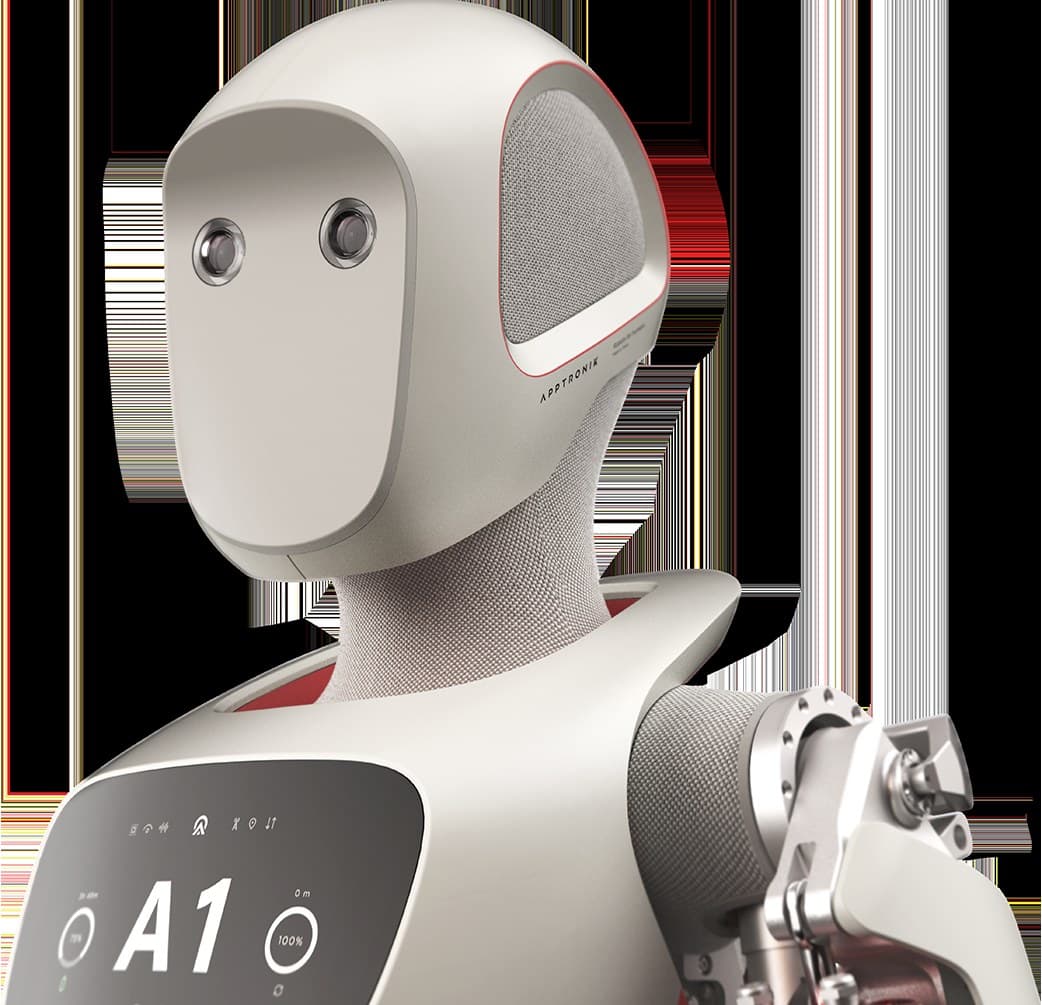
Apollo
General-purpose humanoid for logistics

H1
Sub-$100K Chinese humanoid — fastest walker in class
Specifications
| Spec | Apollo | H1 |
|---|---|---|
| Price (USD) | $120,000 | $90,000 |
| Category | humanoid | humanoid |
| Payload | 25 kg | 30 kg |
| Runtime | 4 h | 2 h |
| Speed | — | 3.3 m/s |
| Weight | 73 kg | 47 kg |
| Degrees of Freedom | — | 19 |
- Logistics
- Manufacturing
- Warehousing
- Humanoid robotics research
- Industrial R&D
- Content creation / film
- Robotics competitions
When to pick which
Choose the Apptronik Apollo for industrial logistics and manufacturing facilities requiring sustained operational uptime. With a four-hour runtime, Apollo is better suited for multi-hour shifts in warehouse environments compared to shorter-duration alternatives. Its design targets general-purpose labor, making it the preferred choice for facility managers scaling humanoid fleets to handle material movement or palletizing tasks. The integration with the Apptronik API and ROS2 allows for deep enterprise-level software customization. Select this model when deployment scale demands a robot that can work longer between charges in a structured industrial setting.
Opt for the Unitree Robotics H1 for academic research, robotics competitions, or rapid prototyping where speed and cost-efficiency are paramount. At $90,000, it lowers the barrier to entry for R&D departments and film production teams needing a high-mobility humanoid. Its record-breaking 3.3 m/s walking speed and 19 degrees of freedom make it ideal for testing dynamic locomotion algorithms or creating high-action content. While its two-hour runtime is shorter, its lighter 47kg frame and open-source SDK provide the agility and accessibility required for experimental environments rather than continuous industrial labor.
Ready to evaluate?
Request a vendor quote or compare more options.