Apptronik ApollovsUnitree Robotics H1
Side-by-side comparison of Apptronik Apollo and Unitree Robotics H1: specs, price, use cases and SDKs.
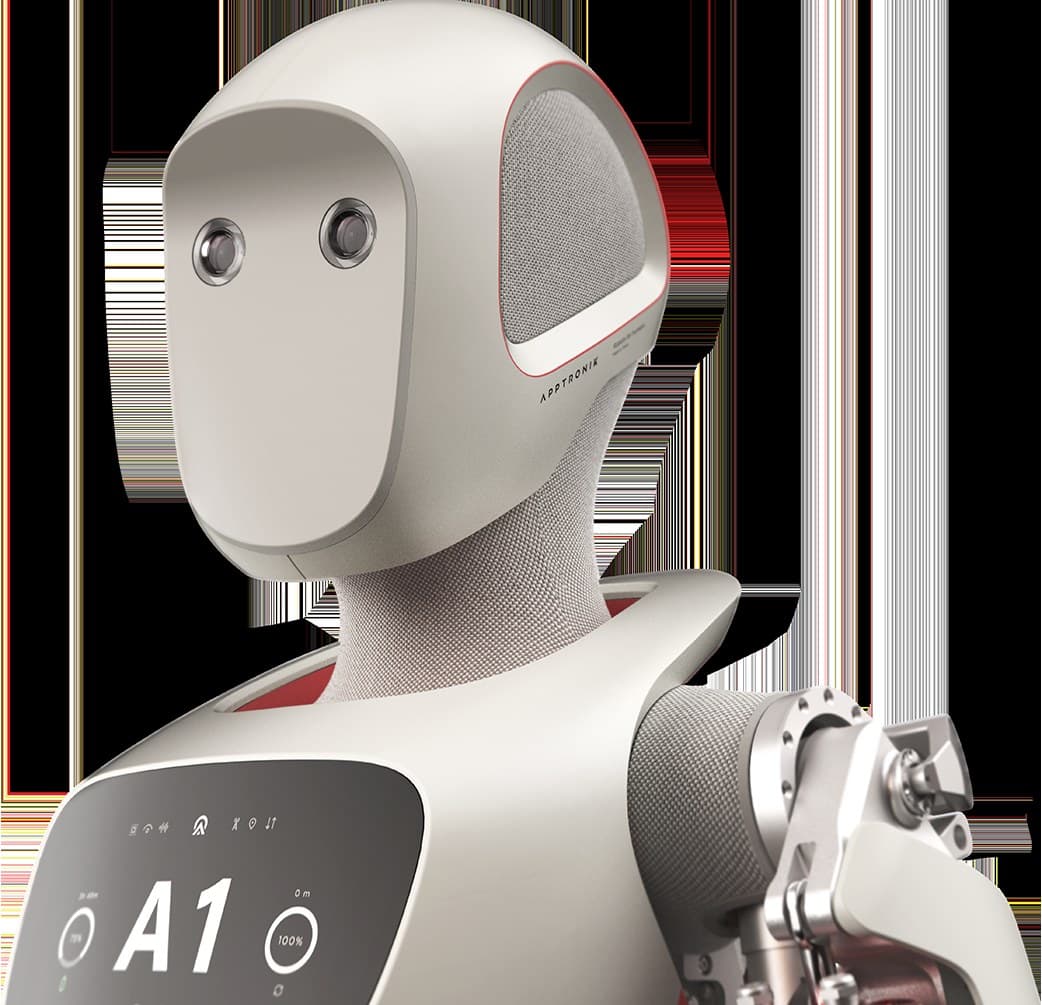
Apollo
General-purpose humanoid for logistics

H1
Sub-$100K Chinese humanoid — fastest walker in class
Specifications
| Spec | Apollo | H1 |
|---|---|---|
| Price (USD) | $120,000 | $90,000 |
| Category | humanoid | humanoid |
| Payload | 25 kg | 30 kg |
| Runtime | 4 h | 2 h |
| Speed | — | 3.3 m/s |
| Weight | 73 kg | 47 kg |
| Degrees of Freedom | — | 19 |
- Logistics
- Manufacturing
- Warehousing
- Humanoid robotics research
- Industrial R&D
- Content creation / film
- Robotics competitions
When to pick which
Choose the Apptronik Apollo for large-scale logistics and manufacturing deployments where operational uptime is critical. A facility manager overseeing a multi-shift warehouse should prioritize Apollo due to its 4-hour runtime, which is double that of the H1, significantly reducing downtime for battery swaps during material handling tasks. While it carries a $120,000 price tag, its specialized focus on industrial use cases like case picking and palletization makes it the more reliable choice for enterprise-scale integration. The combination of the Apptronik API and ROS2 support ensures it fits into existing industrial automation stacks requiring high-duty cycles.
Opt for the Unitree Robotics H1 for academic research, robotics competitions, or rapid R&D prototyping where budget and agility are the primary constraints. At $90,000, it offers a $30,000 saving over the Apollo, making it more accessible for university labs. The H1’s 3.3m/s walking speed and 19 degrees of freedom make it the superior choice for developers focusing on high-speed locomotion or dynamic balance algorithms. Its lightweight 47kg frame and open-source SDK provide the necessary flexibility for experimental software development and content creation where portability and rapid iteration are more important than long-shift endurance.
Ready to evaluate?
Request a vendor quote or compare more options.