Apptronik ApollovsEngineered Arts Ameca
Side-by-side comparison of Apptronik Apollo and Engineered Arts Ameca: specs, price, use cases and SDKs.
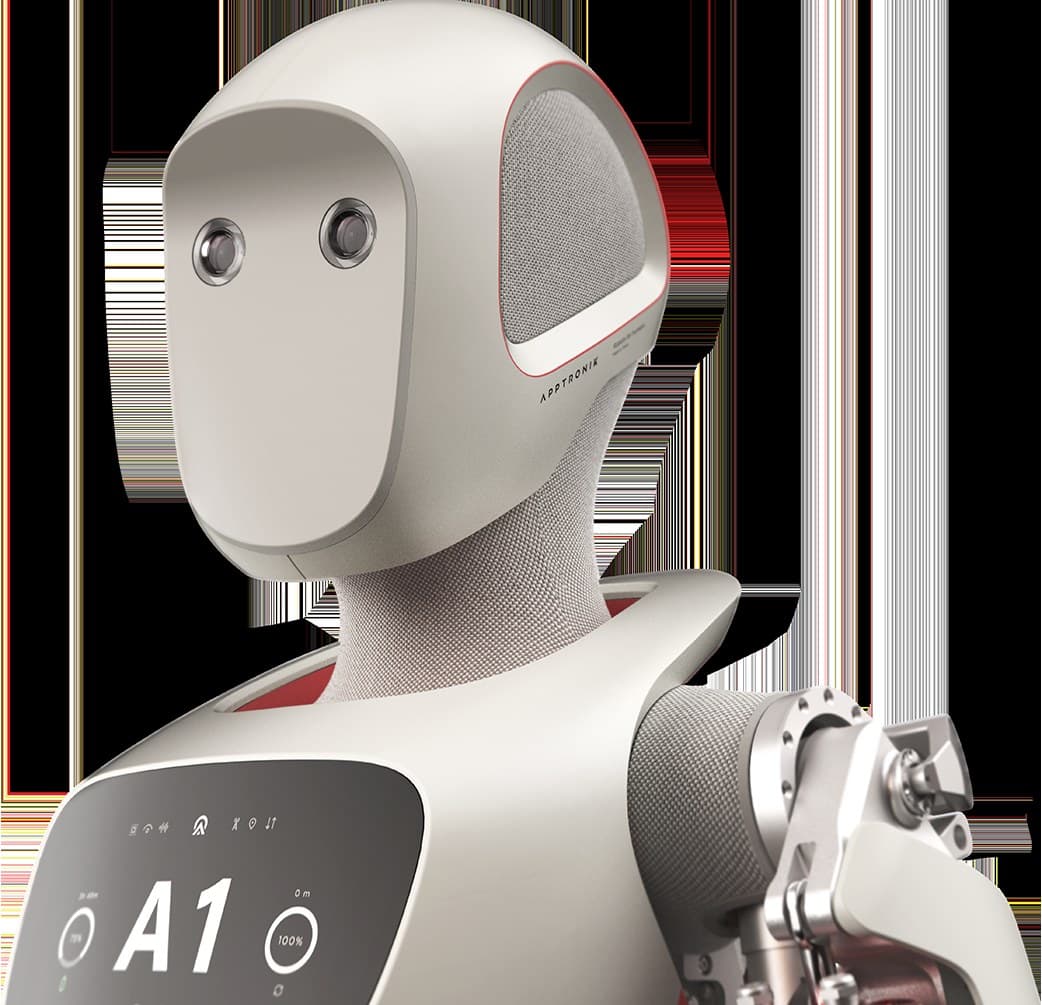
Apollo
General-purpose humanoid for logistics
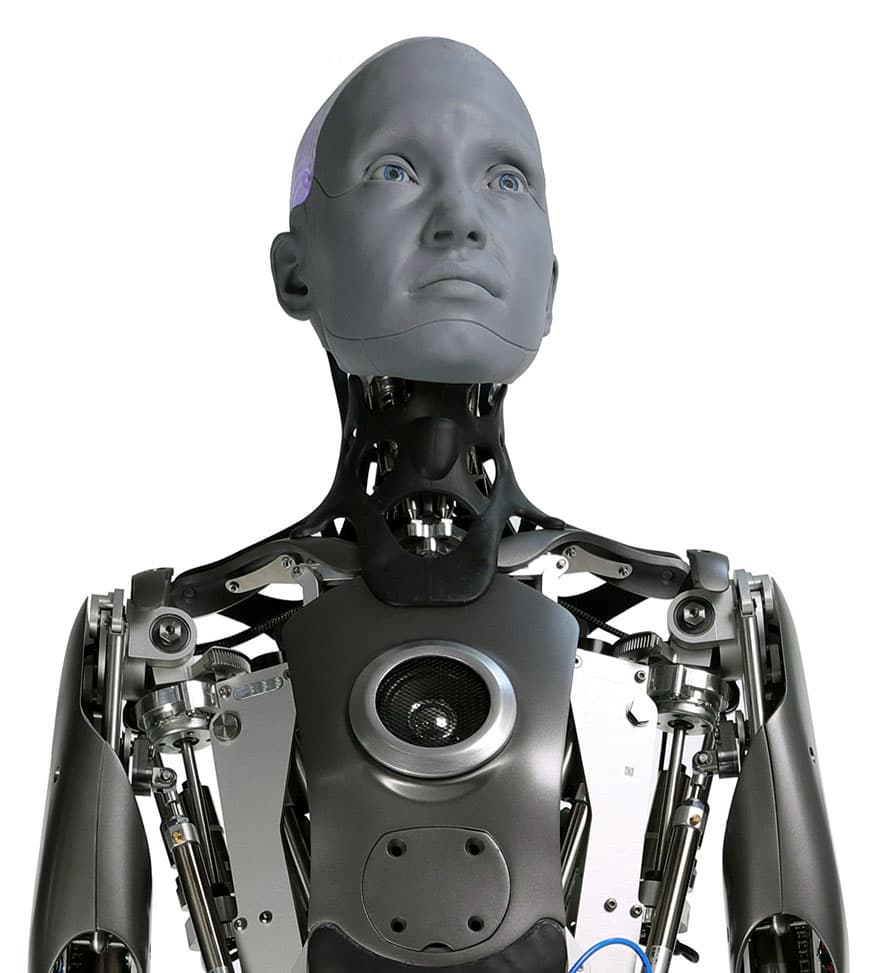
Ameca
Hyper-realistic humanoid face + upper-body for HRI research
Specifications
| Spec | Apollo | Ameca |
|---|---|---|
| Price (USD) | $120,000 | $175,000 |
| Category | humanoid | humanoid |
| Payload | 25 kg | — |
| Runtime | 4 h | — |
| Weight | 73 kg | 50 kg |
| Reach | — | Upper-body humanoid |
| Degrees of Freedom | — | 51 |
- Logistics
- Manufacturing
- Warehousing
- HRI research
- Museum / theme park installations
- Brand activations
- Film + TV
When to pick which
Select the Apptronik Apollo for industrial logistics and manufacturing environments where physical labor and material handling are the primary objectives. In a large-scale warehouse deployment, the Apollo’s 25kg payload capacity allows it to move heavy totes and boxes that exceed the capabilities of social robots. Its four-hour runtime and ROS2 compatibility make it suitable for continuous fleet operations integrated into existing industrial software stacks. Choose this model if your ROI depends on throughput, physical strength, and the ability to navigate a factory floor while performing repetitive manual tasks.
Opt for the Engineered Arts Ameca for high-visibility public installations, human-robot interaction research, or brand activations. In scenarios like museum exhibits or theme park attractions, the Ameca’s 51 degrees of freedom enable hyper-realistic facial expressions and gestures that facilitate deep social engagement. The integration with Tritium OS and LLM plugins from OpenAI or Google allows for sophisticated, conversational AI interactions. Choose this platform if your goal is to study social dynamics or create a memorable customer experience where emotional expression and verbal communication are more critical than physical payload capacity.
Ready to evaluate?
Request a vendor quote or compare more options.