Apptronik ApollovsUnitree Robotics H1
Side-by-side comparison of Apptronik Apollo and Unitree Robotics H1: specs, price, use cases and SDKs.
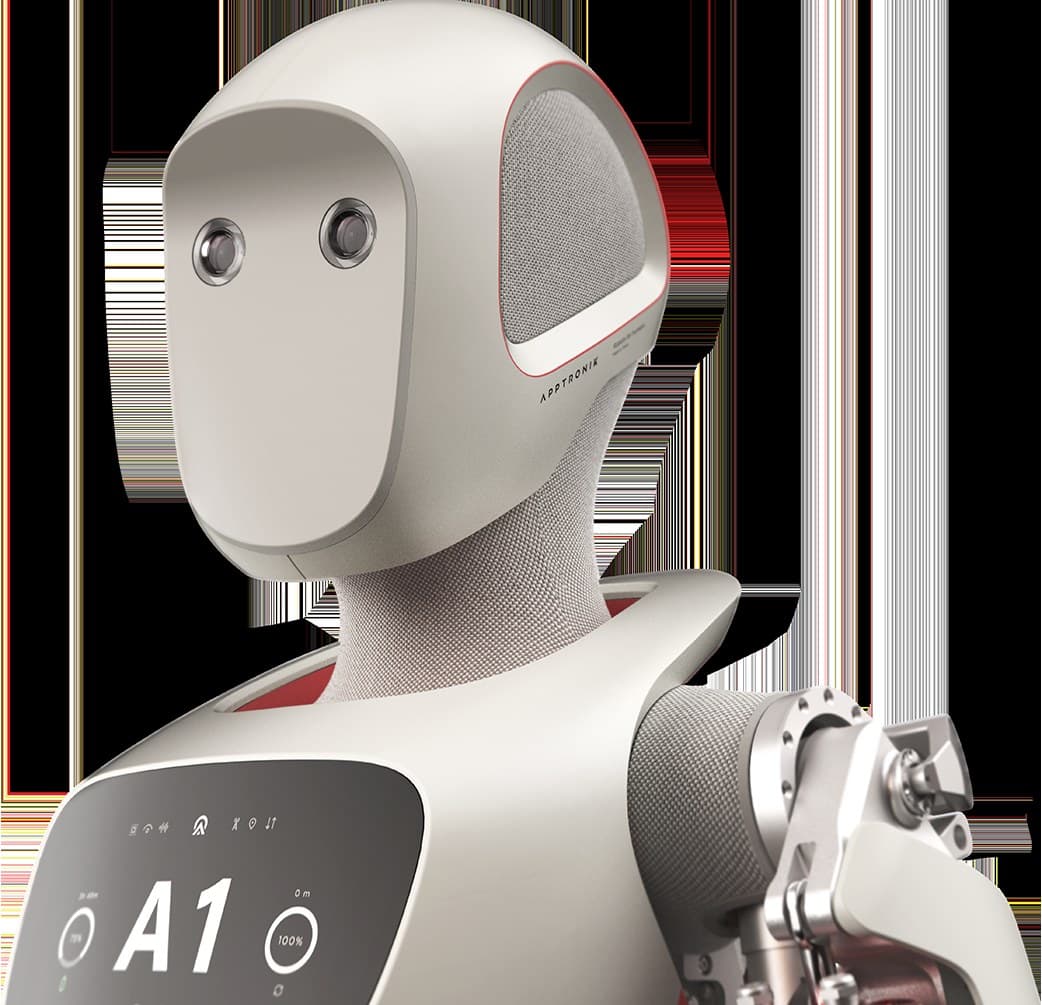
Apollo
General-purpose humanoid for logistics

H1
Sub-$100K Chinese humanoid — fastest walker in class
Specifications
| Spec | Apollo | H1 |
|---|---|---|
| Price (USD) | $120,000 | $90,000 |
| Category | humanoid | humanoid |
| Payload | 25 kg | 30 kg |
| Runtime | 4 h | 2 h |
| Speed | — | 3.3 m/s |
| Weight | 73 kg | 47 kg |
| Degrees of Freedom | — | 19 |
- Logistics
- Manufacturing
- Warehousing
- Humanoid robotics research
- Industrial R&D
- Content creation / film
- Robotics competitions
When to pick which
Choose the Apptronik Apollo for industrial-scale logistics and manufacturing environments where operational uptime is the primary constraint. With a four-hour runtime—double that of the H1—Apollo is better suited for multi-hour shifts in warehouse automation tasks like case picking or repetitive material handling. Its 73kg build provides a stable platform for commercial labor, making it the preferred choice for facility managers scaling humanoid fleets in production settings. Buyers prioritizing a robot integrated with industrial-grade APIs for long-duration deployment in structured environments should opt for Apollo over research-oriented alternatives.
Select the Unitree Robotics H1 for academic research, robotics competitions, or rapid R&D prototyping where agility and cost-efficiency are paramount. At $90,000, it provides a high-performance entry point into humanoid development under the $100k threshold. The H1 excels in dynamic mobility tasks due to its 3.3m/s walking speed and impressive 30kg payload capacity relative to its light 47kg frame. Its open-source SDK and Python API support make it the superior choice for software engineers and researchers needing deep access to control algorithms for gait analysis or AI training.
Ready to evaluate?
Request a vendor quote or compare more options.