Tesla Optimus Gen 2vsUBTECH Walker S2
Side-by-side comparison of Tesla Optimus Gen 2 and UBTECH Walker S2: specs, price, use cases and SDKs.
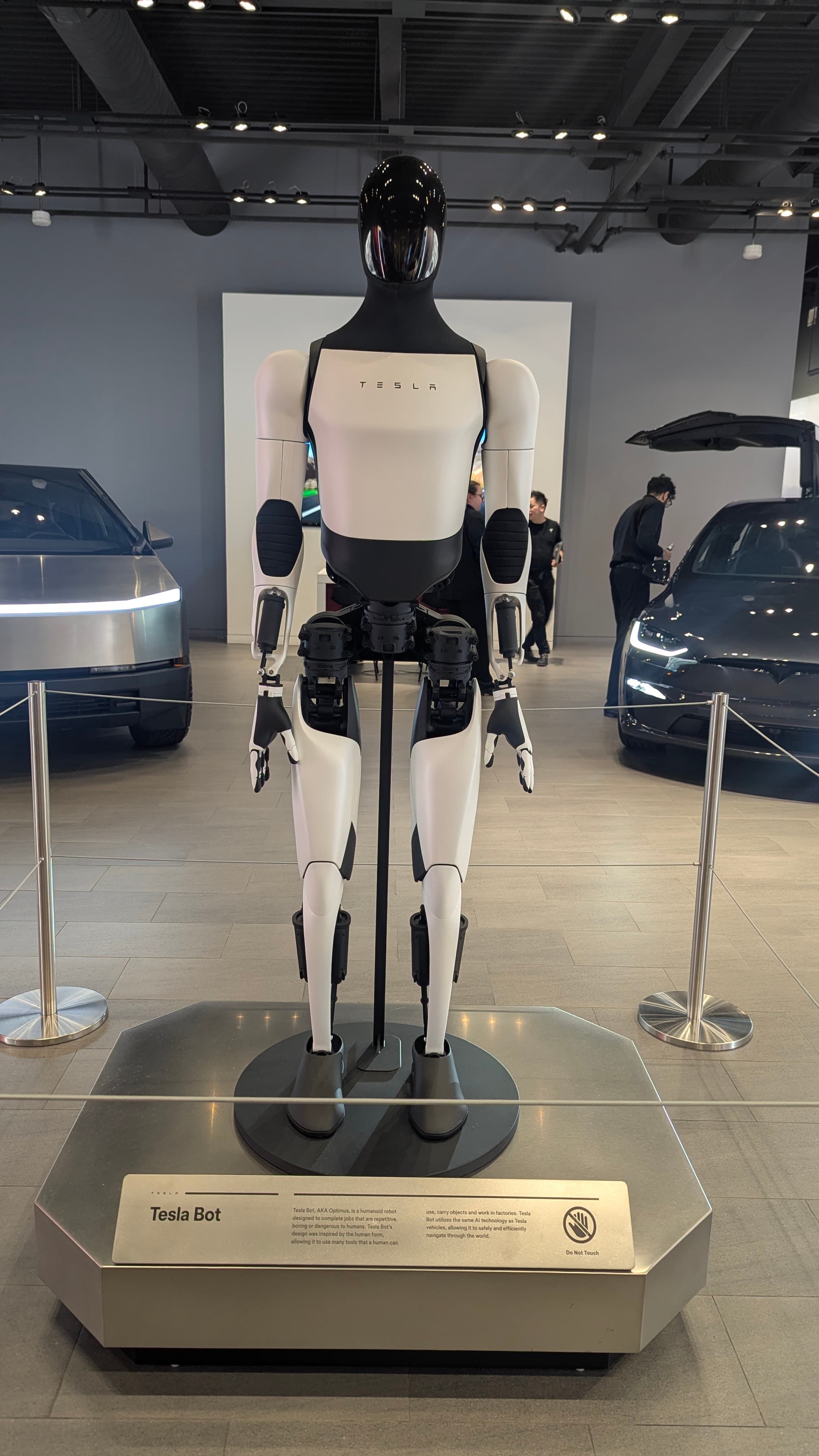
Optimus Gen 2
General-purpose humanoid from Tesla
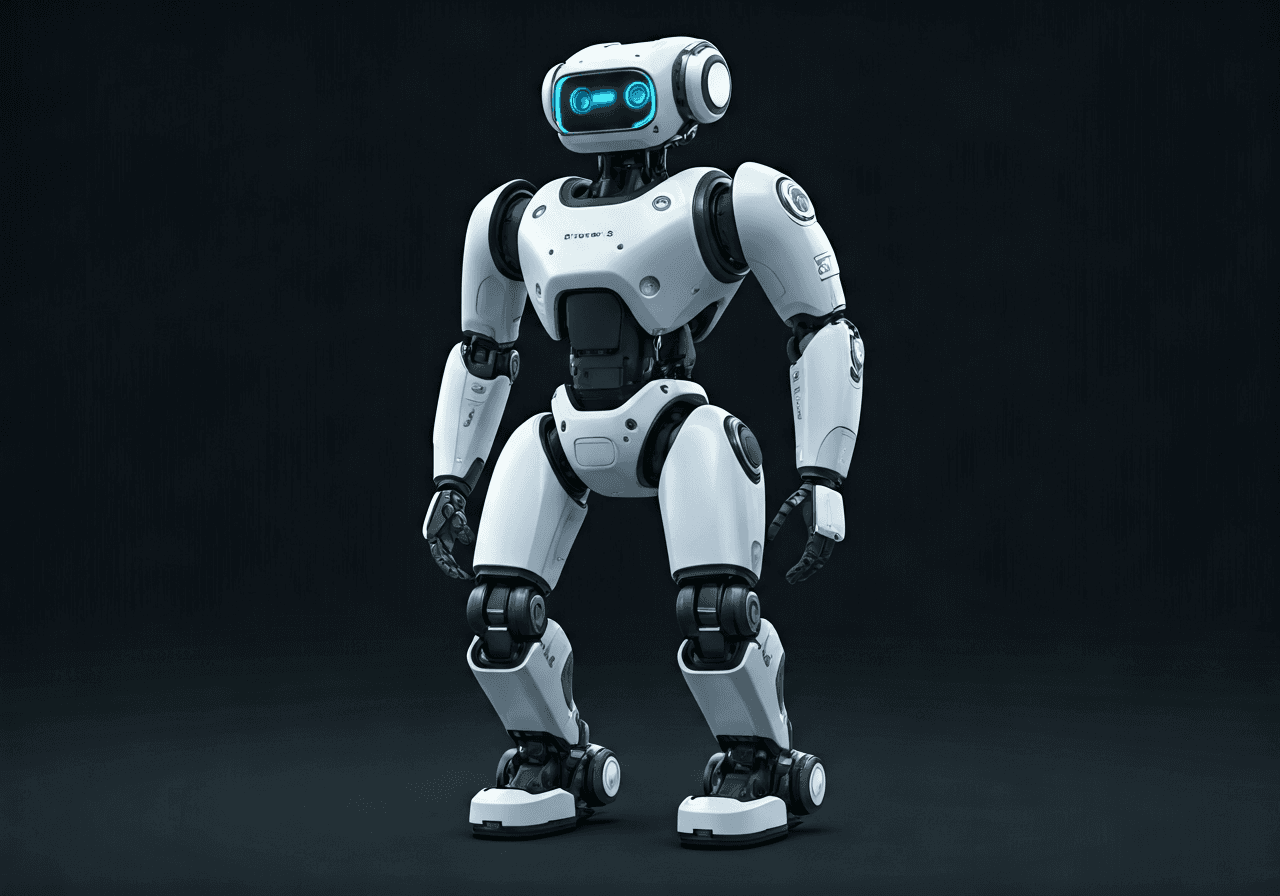
Walker S2
Swappable-battery industrial humanoid
Specifications
| Spec | Optimus Gen 2 | Walker S2 |
|---|---|---|
| Price (USD) | $30,000 | $40,000 |
| Category | humanoid | humanoid |
| Payload | — | 15 kg |
| Runtime | 8 h | 4 h |
| Speed | 2.5 m/s | — |
| Weight | 57 kg | 95 kg |
| Degrees of Freedom | 28 | — |
- Factory automation
- Logistics
- Home assistance
- Industrial pilots
When to pick which
Choose the Tesla Optimus Gen 2 for large-scale fleet deployments in logistics or light manufacturing where cost-efficiency and operational uptime are critical. At $30,000, it offers a significant price advantage for buyers scaling to dozens of units. Its 8-hour runtime and 2.5 m/s speed make it superior for high-cadence tasks like facility patrolling or light part delivery across large floor plans. The 57kg lightweight frame reduces safety risks in collaborative environments or home assistance pilots. Developers should opt for Optimus when Python-based integration is a requirement for rapid prototyping of general-purpose behaviors in dynamic settings.
Select the UBTECH Walker S2 for heavy-duty industrial pilots and factory automation tasks requiring significant physical strength. With a dedicated 15kg payload capacity, the Walker S2 is better suited for moving heavy components or tool manipulation compared to the lighter Optimus. While its 4-hour runtime is shorter, the swappable-battery design is a decisive factor for 24/7 production lines where charging downtime is not an option. Choose this platform for high-torque industrial applications and structured manufacturing environments where the UBTECH Open Platform provides the necessary enterprise-grade control for specialized hardware integration and heavy lifting.
Ready to evaluate?
Request a vendor quote or compare more options.